
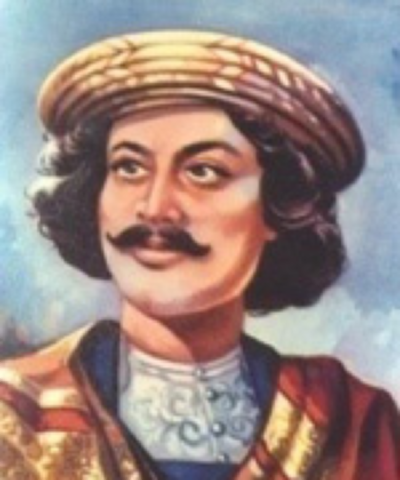
Raja Ram Mohan Roy known as the ‘Maker of Modern India’, founded in 1814 Atimiya Sabha and Brahmo Samaj, one of the first Indian socio-religious reform movements. He played a major role in abolishing the role of Sati. Raja Ram Mohan Roy campaigned for rights for women, including the right for widows to remarry, and the right for women to hold property.He actively opposed Sati system and the practice of polygamy.
In 1893, Dhondo Keshav Karve founded Widhawā-Wiwāhottejak Mandali, which, besides encouraging marriages of widows, also helped the needy children of widows. In 1895, the institution was renamed as Widhawā-Wiwāha-Pratibandh-Niwārak Mandali (Society to Remove Obstacles to Marriages of Widows). In 1896, Karve established a Hindu Widows’ Home Association and started Mahilāshram, a shelter and a school for women, including widows. He started Mahilā Vidyālaya in 1907; the following year, he started Nishkām Karma Math (Social Service Society) to train workers for the Widows Home and the Mahila Vidyalaya.
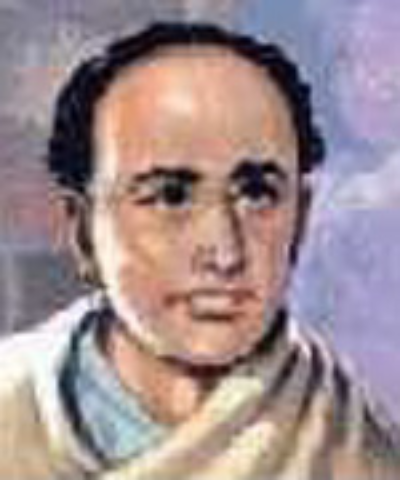
Pandit Ishwarchandra Vidyasagar was a man of action and at the same time an embodiment of the ideal of Prajna (intellect) and Karuna (kindness). He was also a great social reformer and was primarily responsible for the Widow Re-marriage Act-XV of 1856. The enactment of the Act of 1856, legalizing widow remarriage and the Civil Marriage Act of 1872, abolishing polygamy and child marriage and encouraging widow remarriage, owed a great deal to Vidyasagar, whose writings and activities had helped to create public opinion in favor of these social issues.
Care about people to transforming their lives and exudes a positive Impression to believe.